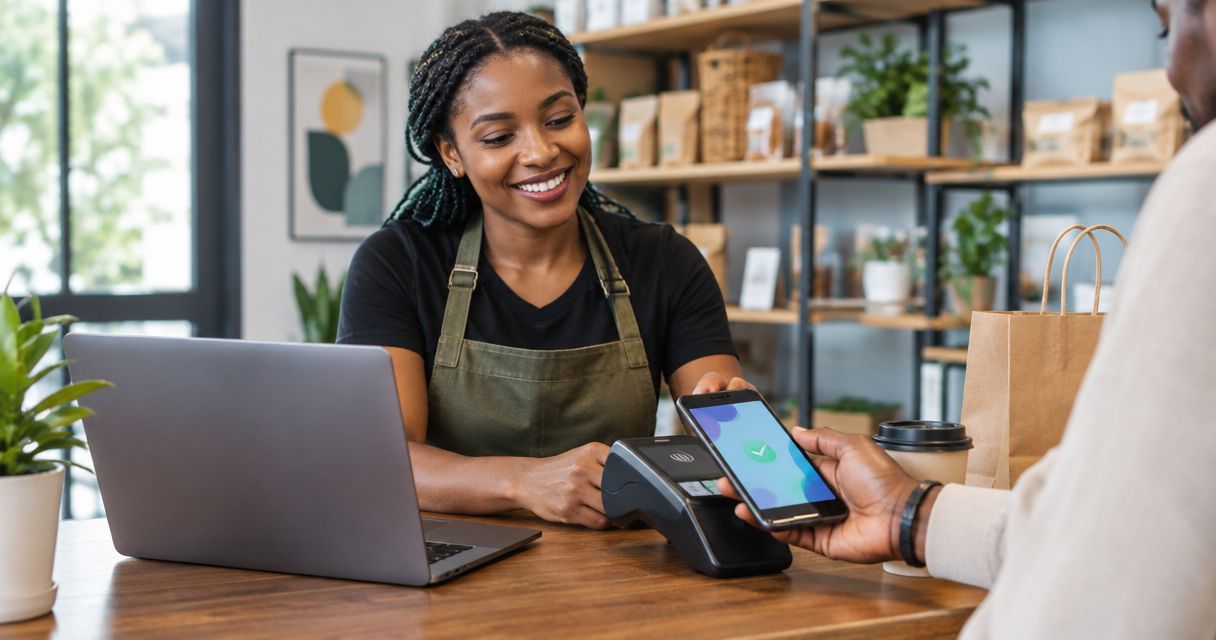
Best for local Kenyan collections: M-PESA. Best for managing overseas USD and EUR booking receipts: Zeam, subject to business eligibility and route approval. Best for guests who want to pay by card: card acceptance. Choose a payment platform for Kenyan business around how guests pay and how you settle supplier bills—not a single overall winner.
- Choose a payment platform for Kenyan business by separating local collections, overseas booking payments and supplier settlement.
- M-PESA suits local mobile-money collections; card acceptance serves guests who prefer cards.
- Zeam suits USD and EUR booking-payment management, subject to business eligibility, verification and route approval.
- Keep a booking reference across deposits, balance payments and supplier records.
Why this matters
A Kenyan safari operator collecting an overseas booking deposit faces a different decision from a business collecting local customer payments. The guest's preferred payment method matters, but so do the currency received, the supplier's payment deadline and the records needed to reconcile the booking.
For your 2026 shortlist, separate collecting money from managing money after receipt. A card checkout helps a guest complete a payment. A multi-currency balance helps a business hold and convert receipts. Those functions complement each other; neither automatically replaces the other.
What makes the best payment platform?
Judge each option against the same criteria before choosing a provider:
- Guest fit: Can the guest use the method without changing how they normally pay?
- Currency fit: Does the approved route receive the invoiced currency, and what currency reaches your business?
- Supplier fit: Can you pay the required beneficiary through an approved route before the supplier deadline?
- Booking records: Can you connect the receipt to the guest, deposit and outstanding balance?
- Controls: Who can view balances, approve payments and change beneficiary details?
- Eligibility: Is your business approved for the account, payment method and intended transaction?
Treat these as separate checks. Approval for an account does not establish approval for every payment route or feature.
Payment options at a glance
This 2026 comparison ranks options by their strongest booking-payment use case. It compares payment methods and account functions, not interchangeable products.
| Option | Best for | Standout function | Key limitation |
|---|---|---|---|
| M-PESA merchant collections | Local customers paying by mobile money | Collecting through Kenya's established mobile-money system | Does not by itself provide USD and EUR balance management |
| Zeam | Managing overseas receipts and business money | Business-name USD and EUR receiving details and multiple currency balances | Confirm Kenyan business eligibility, verification and each required route |
| Card acceptance | Overseas guests who prefer paying by card | Guest-facing card checkout | Chargebacks and settlement terms need separate management |
| International bank transfers | Guests or overseas agents paying against invoices | Account-to-account payment using bank receiving instructions | Sender instructions and payment tracing need careful handling |
1. M-PESA: best for local mobile-money collections
M-PESA belongs on a Kenyan business shortlist when customers want to pay through mobile money. For a tour operator, that use case differs from collecting a USD deposit from an overseas travel agent: the payer, payment method and currency requirements are different.
Choose the appropriate merchant arrangement rather than treating a personal collection process as a complete booking-payment workflow. Confirm the merchant setup, reconciliation records and settlement arrangements before publishing payment instructions.
M-PESA pros:
- Fits customers already using M-PESA for local payments.
- Provides a mobile-money collection option alongside other payment methods.
- Gives local collections a separate place in your booking-payment process.
M-PESA cons:
- Local mobile-money collection does not solve every overseas guest's payment needs.
- It does not, by itself, provide the USD and EUR balance-management functions considered here.
Best for: Kenyan tourism businesses collecting from local customers who prefer mobile money.
Keep local and overseas payment instructions distinct. A Kenyan resident paying for an excursion and a European guest paying a safari deposit should not have to interpret the same generic payment message.
Verdict: Buy for local mobile-money collection needs; keep a separate overseas-payment option.
2. Zeam: best for managing overseas booking receipts
Zeam helps African businesses receive USD and EUR payments from US and European clients using receiving details in the business's name. It also supports multiple currency balances, conversion, local supplier payments, payment links, records, accounting integrations and team approvals.
Zeam is best for USD and EUR booking-payment management when business eligibility and payment routes are approved. A Kenyan operator should apply for a business account, complete verification and confirm the intended collection and payout routes before giving guests receiving instructions.
Zeam pros:
- Combines overseas receiving and business-money management.
- Lets businesses hold multiple currency balances and convert when needed.
- Includes records and team approvals for managing business payments.
- Offers international and bulk payments on higher plans.
Zeam cons:
- Account approval does not remove the need to confirm individual route requirements.
- Digital balances are not bank deposits; the business is not a bank.
- Do not assume payment links replace card acceptance or a booking system.
Best for: Approved businesses managing USD and EUR receipts alongside supplier-payment and approval workflows.
For a safari booking, check the complete chain: overseas deposit, remaining balance, conversion decision and supplier payment. If a South African accommodation supplier needs payment, confirm that destination and route separately rather than assuming that local supplier-payment support covers it.
Verdict: Hold until verification and route checks are complete; choose for the approved workflow.
3. Card acceptance: best for card-paying overseas guests
Card acceptance gives guests a way to pay using a debit or credit card through a checkout or another supported payment interface. It addresses the collection experience, especially when a guest wants to complete the booking without arranging a bank transfer.
For your 2026 provider review, ask which cards, business types and transaction currencies the provider supports. Check settlement arrangements and dispute handling as carefully as the checkout experience.
Card acceptance pros:
- Serves guests who prefer paying by card.
- Supports a guest-facing checkout when the provider offers that integration.
- Gives your business an alternative to asking every guest for a transfer.
Card acceptance cons:
- Card payments can be disputed through chargebacks.
- Accepting a foreign-currency payment does not automatically mean holding that currency afterwards.
- Payment acceptance alone does not manage booking inventory or supplier obligations.
Best for: Tour operators and safari businesses whose guests want card checkout.
Keep the booking terms, cancellation policy and guest acceptance records connected to the payment. A successful checkout is evidence of a payment event, not a substitute for clear booking documentation.
Verdict: Buy when card checkout is a guest requirement; evaluate settlement and dispute terms first.
4. International bank transfers: best for invoice-led payments
International bank transfers suit a process where you issue an invoice and the guest or overseas agent pays using your bank's receiving instructions. This is an account-to-account payment method, not a guest-facing booking checkout.
Ask your bank which currencies and receiving routes apply to your business account. Give the sender the exact beneficiary details and a booking reference, then reconcile the receipt against the invoice rather than relying only on the sender's payment confirmation.
International bank transfer pros:
- Fits payments made against a formal booking invoice.
- Works within a bank-account payment process.
- Allows a clear link between receiving instructions and a named beneficiary.
International bank transfer cons:
- The guest must enter receiving details correctly.
- Cross-border payment tracing can involve the sending and receiving institutions.
- A transfer instruction is not proof that your business has received usable funds.
Best for: Invoice-led bookings where the guest or overseas agent agrees to pay by bank transfer.
Separate the invoice currency from the account's receiving and conversion arrangements. A USD invoice does not establish that your bank account will retain a USD balance.
Verdict: Buy for an agreed invoice-led transfer process; skip it as the only option for card-preferring guests.
Where payment links fit
A payment link is a way to direct someone to a payment flow. It is not, on its own, a separate payment rail: the underlying payment method and provider determine how the guest pays and how your business receives the money.
That distinction matters when comparing 2026 proposals. Ask what the link actually supports, which currencies apply, where receipts settle and what booking information accompanies the payment.
- Advantage: You can send a payment destination with a deposit request or balance reminder.
- Limitation: The link alone does not establish card support, currency holding or booking-system integration.
- Best for: Sending a payment request after confirming the underlying method suits the guest.
Do not promise a guest a card-payment link until you have verified that the specific link supports card payments.
Build the booking-payment process before switching
Use 2 booking milestones—deposit and balance payment—as your starting structure. Set both against supplier commitments, not just the guest's travel date. Then work through the following sequence before changing your live instructions.
Confirm eligibility
Confirm that the provider accepts your business and intended activity. Complete verification before relying on the account for a live booking, and check any restrictions attached to the receiving or payout route.
Set invoice currency
Record 3 currency checks: invoice currency, received currency and supplier currency. If the guest pays EUR but your supplier requires another currency, assign responsibility for the conversion decision before the payment arrives.
Match receipts
Use 1 booking reference per booking across the invoice, deposit request and balance request. Record separate receipts against that reference so your team can see what has arrived and what remains outstanding.
Plan supplier payments
List the accommodation, transport and guide payments linked to the booking. Confirm beneficiary details, required currencies and payment deadlines; then verify that the selected payout route supports each obligation.
Release commitments
Base supplier-payment decisions on the receipt status shown by the receiving provider. Do not treat a guest's screenshot or transfer instruction as proof that your business has funds ready to use.
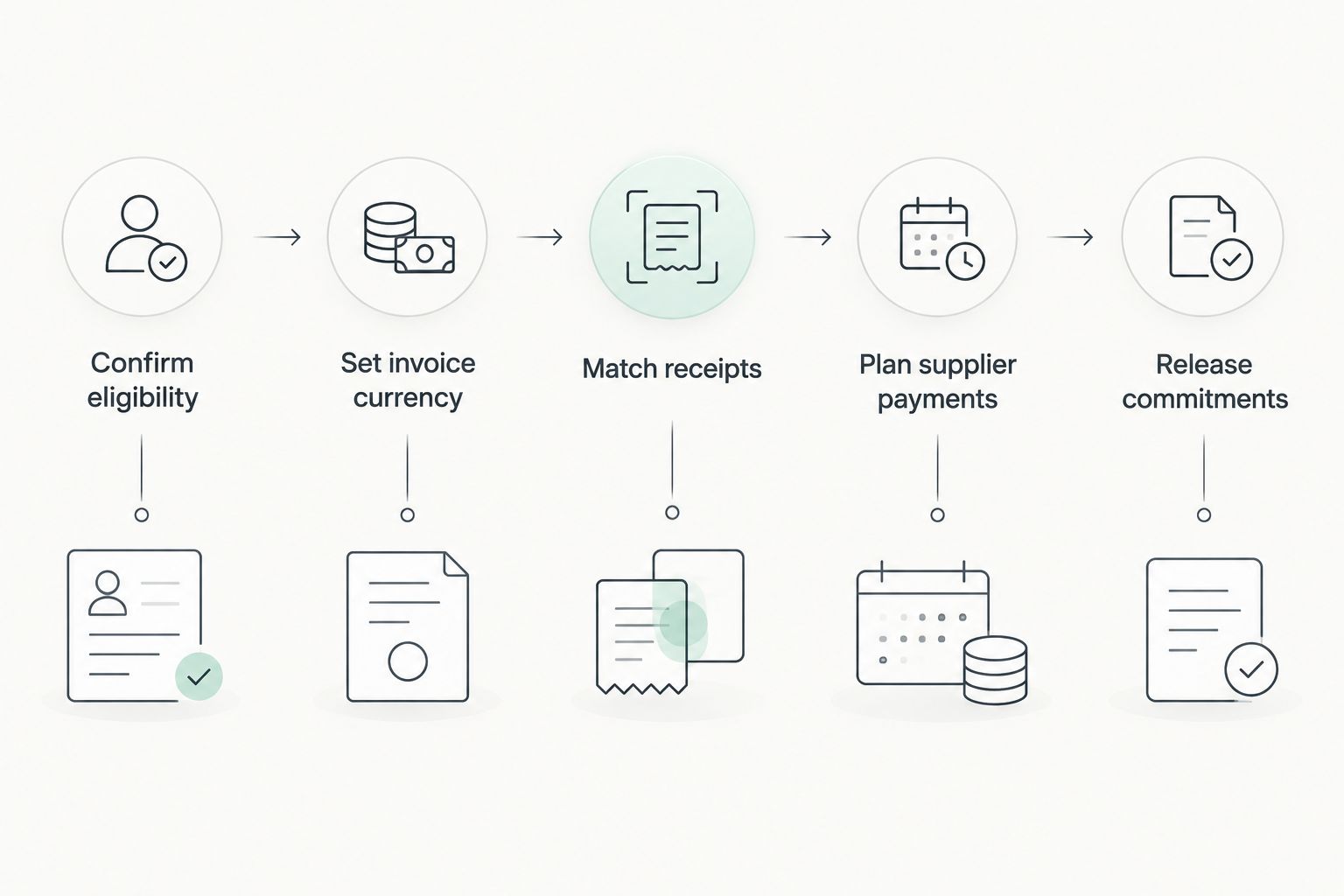
A practical 2026 shortlist should survive this entire sequence. A provider that handles collection but not your required supplier route still needs a separate, documented payout arrangement.
Apply for a business account
Complete verification and confirm eligibility and payment routes before collecting booking payments.
How the options are ranked
The ranking uses guest fit, currency handling, supplier payments, booking records, controls and eligibility. Each option owns a different use case; the order is not a claim that one method wins every transaction.
For an overseas booking, prioritise the guest's workable payment method and your approved receiving route. For local collections, prioritise the local payment process. Keep account-management features separate from checkout features when comparing proposals.
Which payment platform should you choose?
For a Kenyan tourism business, choose the collection method first and the money-management arrangement second. Start with M-PESA when local customers want mobile money, card acceptance when overseas guests want cards, and bank transfers when the payer agrees to an invoice-led process.
For USD and EUR receiving and ongoing business-money management, assess the multi-currency option after confirming eligibility and routes. Do not replace a working card checkout merely because another account offers overseas receiving details.
Your 2026 decision should end with written payment instructions for each booking type, a reconciliation owner and a confirmed supplier-payment route. That is a usable payment setup—not just an opened account.
FAQ
What's the best payment platform for Kenyan business bookings?
The best choice depends on how the guest pays and how your business settles suppliers. Use M-PESA for suitable local mobile-money collections, card acceptance for card-paying guests, and approved receiving arrangements for overseas invoice payments.
Can a Kenyan tourism business use Zeam?
Confirm Kenyan business eligibility directly before relying on the service. Apply for a business account, complete verification and confirm the required receiving currencies and supplier-payment routes before issuing instructions.
Is M-PESA enough for overseas safari deposits?
M-PESA alone does not cover every overseas guest's payment needs. Offer a separately verified option for guests who need card acceptance or an overseas transfer route.
Are payment links the same as card payments?
No. A payment link directs a guest to a payment flow, while the underlying provider determines which payment methods are supported. Verify card support rather than assuming every link accepts cards.
Should I invoice overseas guests in USD or EUR?
Choose the invoice currency after checking the guest's payment method, your receiving route and supplier obligations. Record whether the receipt stays in that currency or is converted before setting payment instructions.
Can I pay South African safari suppliers from a multi-currency account?
Confirm the specific destination, beneficiary and payout route with the provider first. Multiple currency balances do not establish support for every cross-border supplier payment.
Does a payment confirmation mean I can pay suppliers?
A sender's confirmation does not prove that your business has usable funds. Check receipt status with the receiving provider before releasing supplier payments or confirming commitments that depend on the deposit.
One last thing
A booking deposit is not automatically spare operating cash. Before using it for another departure, record the supplier commitments attached to the original booking and the terms governing cancellation or refunds. Your payment platform records the money; your booking process must record the obligation.